
women in industry
By Savanna True
AI at work: Hide or thrive?
As automation handles routine tasks, creativity, critical thinking and ethical leadership will define the most valuable employees.
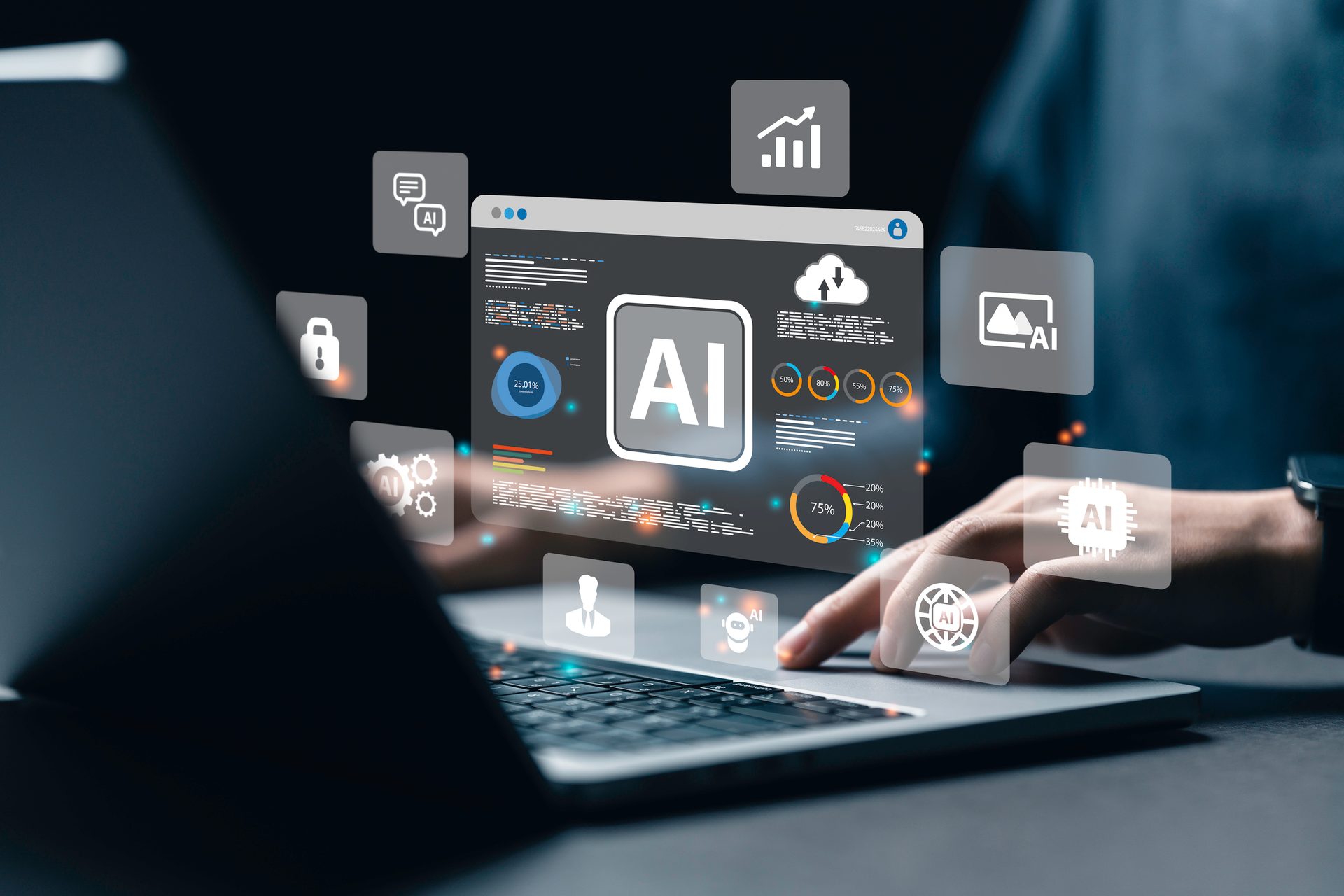
Khanchit Khirisutchalual / iStock / Getty Images Plus
“Have you considered using AI to…” That question is quickly becoming the management and leadership mantra of 2026, if it wasn’t already the reigning champ of 2025. Artificial Intelligence has found its way into pretty much every corner of business, from boardroom strategy to shipping manifests. We can hide behind fear, like the professors of old who wanted to keep chalk and slate rather than move to pencils and paper, or we can embrace our curiosity and set the terms for adoption from a place of expertise and solid reasoning.
When we talk about "AI at work," it’s not science fiction anymore. It’s practical, everyday tools like large language models, intelligent automation, and data analysis engines. The real trick is figuring out how to use these tools to improve our work, not create another thing we have to “consult” for every task and decision.
One of the quickest ways AI helps is by taking over those annoying, repetitive, low-value tasks. That's the key to clawing back time for the stuff that truly matters.
Look at your to-do list and find the tasks that are rules-based, high-volume, and don’t need you to make any tricky human judgments. We're talking about things like: letting intelligent assistants handle all your scheduling—coordinating calendars, suggesting times, and sending reminders; having AI pull info from invoices or forms and dump it straight into your database or CRM system; letting AI help you sort your inbox, flag the important stuff, and even draft quick answers to common questions; and using tools that can pull raw data together to populate those standard weekly or monthly reports.
This kind of automation usually happens with AI-powered assistants or simple no-code/low-code platforms. By offloading these digital chores to AI, you’re free to focus on the challenging, creative problem-solving and those activities that machines just can’t replicate.
Generative AI, especially, has totally changed how we create and communicate. You can use it to beat writer's block by getting initial drafts for internal memos, blog posts, social media captions, or presentation outlines. Once the draft is there, your job shifts to being the curator and editor. AI tools can also make your communication more personal, maybe by translating complex tech-speak into simple terms or tweaking a marketing message to fit a specific audience's culture.
Just remember: AI is super helpful, but it can "hallucinate" (make up false information). You absolutely have to review everything it generates to make sure it's accurate, matches your company's tone, and follows all your policies. We should always be the final voice and ultimately responsible for the content we create.
Moving beyond basic task automation, AI’s real superpower is its ability to chew through and make sense of massive amounts of data way faster than any human team. This gives you a massive advantage when making strategic decisions.
Instead of spending hours slogging through market research, legal documents, or years of sales data, you can use AI to quickly summarize the key findings, highlight trends, and pull out the core insights. Businesses are also using AI for some serious forecasting—predicting sales, spotting potential supply chain jams, or modeling financial risks based on real-time economic indicators. And since complex data is useless if no one can understand it, AI tools are getting better and better at turning raw numbers into clear, compelling visuals like charts, graphs, and dashboards that help leadership teams make informed calls.
With all this power, you have a deep responsibility. Ethical use isn't just an optional extra; it’s a necessary part of integrating AI in a way that lasts.
By learning to use AI wisely in our daily work, prioritizing ethical use, and nurturing essential human skills, we’ll not only get more done and spark innovation, but ultimately build a more effective and rewarding future for ourselves and our organizations.
AI models learn from the data we feed them, and that data often carries human biases. We all need to be alert, double-checking outputs and decisions to make sure they aren’t accidentally making things worse in areas like hiring or resource allocation. Also, you need strict rules for data privacy and security. Never put confidential client information, intellectual property, or personal information into an unapproved third-party model. Strong data governance policies are essential. There should be solid rules about intellectual property, especially for AI-generated content, to protect creative and legal ownership. Teams have to be clear about when and how AI was used in a process.
The rise of AI changes how work gets done, so it's vital for employees not only to become experts in AI as a collaborative partner but also to focus on developing skills machines can't replace.
The successful pro of tomorrow sees AI not as a threat, but as a partner. Being an expert in AI will be all about knowing how to ask the right questions (aka "prompt engineering") and critically evaluating the answers. Because the AI landscape changes weekly, staying relevant means committing to professional development to keep up with the new tools and best practices. As AI handles more of the routine tasks, the skills that will make you most valuable are the uniquely human ones: creativity, critical strategic thinking, emotional intelligence, complex negotiation, and ethical leadership.
The journey toward effective AI integration is definitely a work in progress, but the path ahead is crystal clear. AI is not just a shiny new piece of tech; it's a foundational shift in how we get things done. By learning to use AI wisely in our daily work, prioritizing ethical use, and nurturing essential human skills, we’ll not only get more done and spark innovation, but ultimately build a more effective and rewarding future for ourselves and our organizations. The time for just asking “Have you considered using AI?” is over. Now is the time to confidently lead the conversation on how to actually put it to use.
In December, ASA’s Women in Industry division hosted a webinar on AI that delved into terminology and its impact. If you’d like to watch and learn more, check out ASA’s YouTube here: https://www.youtube.com/@ASAUniversity
ABOUT THE AUTHOR: