DECEMBER 2025


Guest Column
By Chris Lollini and Devon Murphy
Break the supply chain bottleneck
How smart dealers and contractors stay profitable when demand never lets up
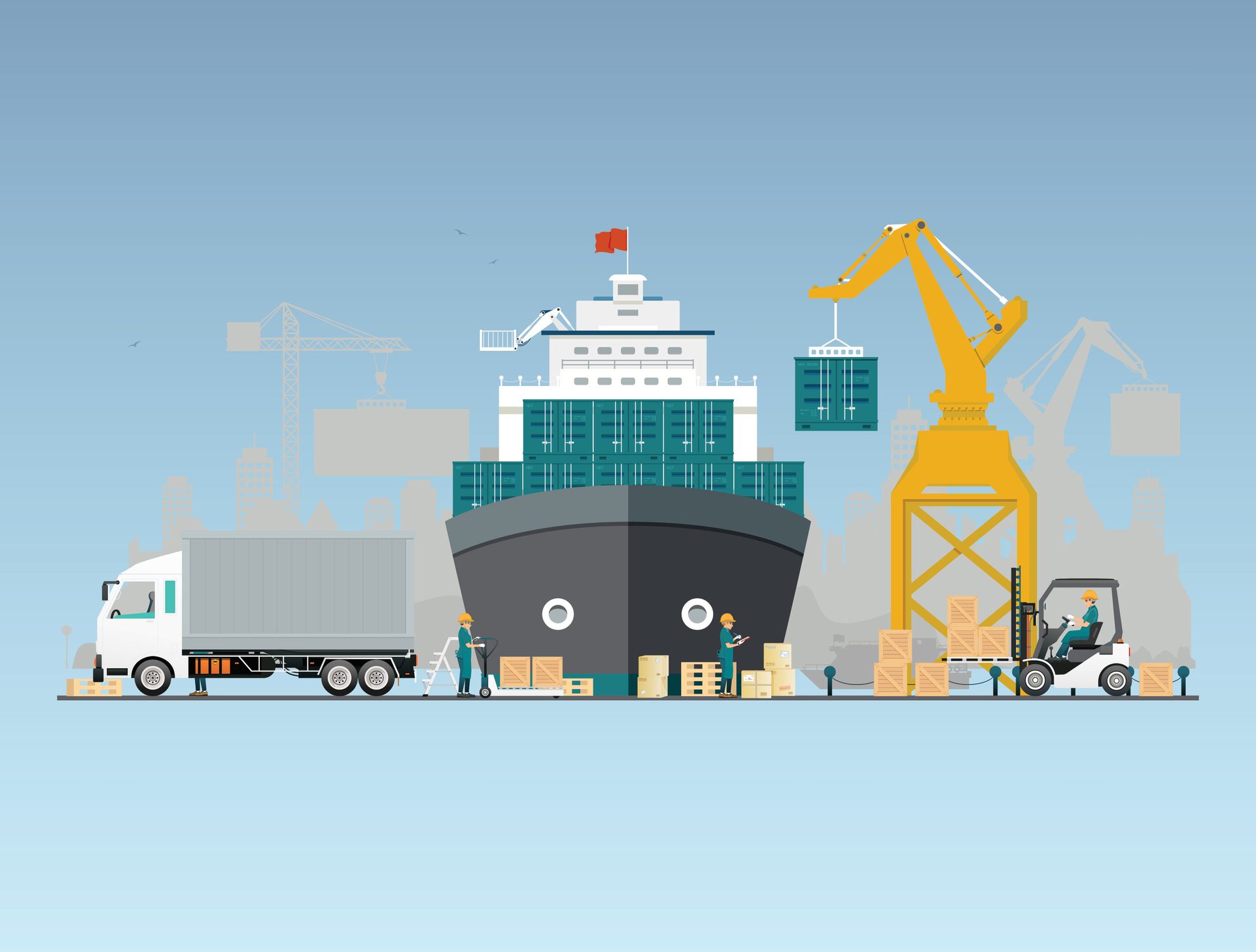
intararit / iStock / Getty Images Plus
If there’s one thing everyone in the trades can agree on this year, it’s this: the slowdown never came. Supply houses are slammed, contractors are still stacked with installs, and the traditional “off-season dip” feels like a thing of the past.
That’s great news, but it brings its own kind of pressure. When demand stays hot, it’s easy for businesses to slip into reactive mode, chasing orders and fighting fires instead of planning ahead. The risk isn’t just burnout, it’s missed opportunity. Those who treat busy seasons as a chance to refine systems, strengthen partnerships, and shore up customer loyalty will come out stronger when the market eventually shifts again.
Here’s how smart companies are doing it.
Step 1: Reactivate – Keep your network warm and working
You don’t have to wait for the phone to ring. Even when your shelves are turning fast and trucks are rolling nonstop, there’s untapped gold in your existing relationships. Distributors can reach out to accounts that haven’t ordered in a while or offer proactive inventory planning for contractors gearing up for year-end projects.
Contractors can take a similar approach with homeowners, checking in on maintenance plans, IAQ upgrades, or system health before the next temperature swing. One HVAC company generated $135,000 in five days just by reconnecting with past customers, no new ads, no new spend. In a high-demand environment, reactivation simply amplifies your advantage.
advertisement

advertisement
Step 2: Rehash – turn open quotes into closed deals
When everyone’s busy, follow-up often falls through the cracks. That’s why your quote backlog and open POs are a hidden profit center. Use this time to revisit unapproved quotes or unprocessed orders. Offer small incentives or flexible terms to close them out.
In an overheated market, even small improvements in conversion rates have a major impact on cash flow. Remember, it’s not about chasing perfect margins; it’s about keeping gross profit dollars flowing and supply chains moving efficiently.
Step 3: Train – convert volume into velocity
Sustained demand exposes the weaknesses in your process. That’s why the best companies don’t wait for things to slow down to invest in training.
Make sure your counter teams, reps, and contractors can handle growth with confidence, not chaos. From sales training to technical refreshers, upskilling during busy seasons ensures your people can capitalize on every opportunity without sacrificing customer experience.
In an overheated market, even small improvements in conversion rates have a major impact on cash flow.
Step 4: Customer Outreach – strengthen the relationship while the spotlight’s on
When everyone’s busy, the companies that stay visible win twice, once now, and again later. Distributors can check in with contractor partners about how supply reliability, lead times, and communication can improve. Contractors can run “post-install check-ins” with recent clients, turning quick satisfaction calls into long-term service agreements or reviews.
These small touches build loyalty and reputation at a time when customers have plenty of options, and plenty of stress.
Step 5: Stay lean and strategic
Staying lean doesn’t mean slowing down, it means staying smart. Trim waste and redundancy, but keep investing in the things that protect your momentum: communication, marketing, and relationships.
In a market this active, visibility and service consistency are your biggest differentiators. The businesses that maintain both, even while busy, will dominate when the inevitable cooling-off period returns.
Play offense while everyone else plays catch-pp
The current “non-stop” environment isn’t a reason to coast, it’s your window to cement loyalty, improve systems, and lock in growth. Whether you’re running a supply house or managing crews in the field, the companies that keep training, communicating, and innovating will be the ones still standing tall when the market takes its next turn.
ABOUT THE AUTHORs: