FROM THE EDITOR
By Natalie Forster, Chief Editor
The most meaningful progress rarely makes noise
2025 showed that being human — not flashy — is what customers value most.
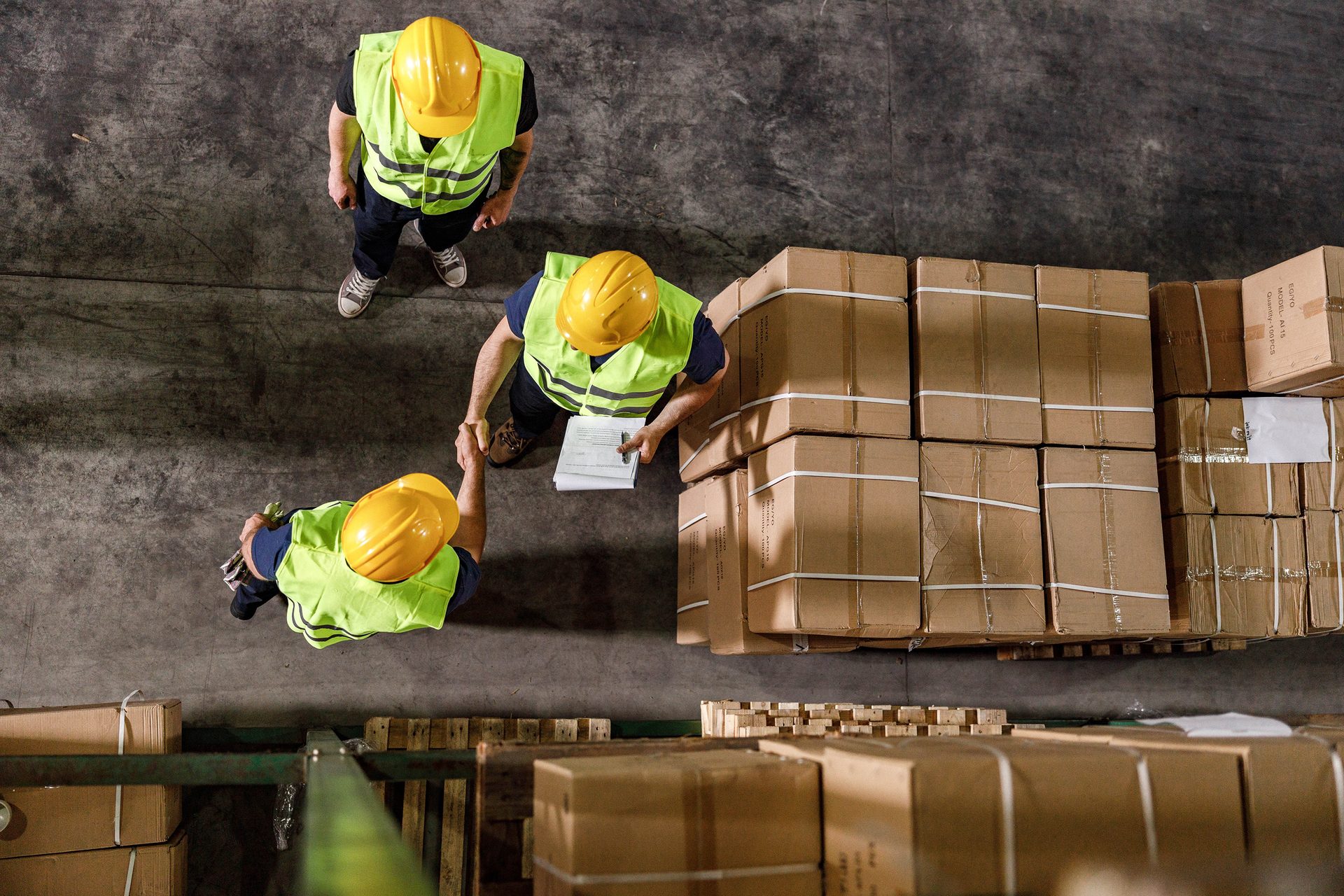
skynesher / E+ / Getty Images
As a society, we’re often drawn to a big reveal. A bold announcement, a breakthrough technology, or the headline-grabbing move. But as I look back on 2025, both inside and outside our industry, I’m struck by how much meaningful progress happened quietly, steadily, and without much fanfare.
As social media and technology become more saturated with content, we’ve all fallen victim to clickbait and likely gotten much better at spotting it in 2025. In popular culture this past year, some of the most effective brand campaigns focused on usefulness, consistency, and connection, rather than dazzling audiences with spectacle.
For example, the way artificial intelligence was marketed in 2025; instead of leaning into futuristic imagery or bold claims about replacing jobs, many of the most visible AI campaigns showed people using the technology to plan trips, organize workdays, draft emails, or solve everyday problems. Just tools doing what tools are supposed to do — making life a little easier. The message wasn’t “look how advanced this is,” but rather, “this fits into your day.”
Similarly, in wholesale distribution, progress in 2025 rarely came from one sweeping change. It came from smarter forecasting and more accurate data analysis. From incremental improvements in product data that made online searches less frustrating to onboarding processes that got new hires productive faster than before. None of it flashy, but all of it impactful.
On social media, I saw a similar trend. Brands that consistently resonated weren’t always the ones with the biggest budgets or the most polished production. In fact, some of the largest brand “flops” of 2025 were the most produced campaigns of them all (think the failed rebrand of Cracker Barrel and the controversial “Great Jeans” American Eagle ad.) Some of the most successful campaigns came from companies that showed up regularly, listened to their audience, and produced relatable, simple content.
Distribution isn’t about flashiness; it’s about reliability. Customers don’t come to supply houses for a “wow” moment; they come because they need the right product, at the right time, with the confidence that someone on the other side of the counter understands what’s at stake.
That, too, mirrors what I heard many distributors focus on in 2025. Training programs that didn’t overhaul everything at once, but layered knowledge over time. Technology rollouts that prioritized adoption over speed. Cultural investments that centered on retention, mentorship, and trust.
Even in spaces built for spectacle, like the Super Bowl, some of the most talked-about commercials this year weren’t the loudest or most complex. They were the ones that felt human. They reminded viewers that connection still matters more than novelty.
Our industry has always understood this instinctively. Distribution isn’t about flashiness; it’s about reliability. Customers don’t come to supply houses for a “wow” moment; they come because they need the right product, at the right time, with the confidence that someone on the other side of the counter understands what’s at stake. When that happens seamlessly, it rarely makes headlines — but it builds loyalty.
Looking back at 2025, many of the year’s quiet wins fit this mold. Cleaner data that supports better decisions. Improved inventory visibility. Stronger collaboration between inside and outside sales. Investments in people that won’t show a return on a quarterly report, but will define companies for years.
Together, these investments tell a story of an industry moving forward deliberately and choosing innovation that makes sense, rather than adopting every flashy new technology. n
As we step into 2026, there’s comfort in that approach. Progress doesn’t need to be loud or immediate to be real. And while social media branding and voice are more important than ever, your best improvements don’t need to look impressive on Instagram to matter to customers.
Oftentimes, the best sign of progress is when things simply work better than they did before.