MARCH 2026


feature
A different kind of bench strength
How Viega is reshaping the executive table in PHCP manufacturing.
By Natalie Forster
Images courtesy of Viega LLC
In U.S. manufacturing, women represent just 29.3% of the workforce, according to Bureau of Labor Statistics data. And when you narrow the lens to leadership roles, the number drops further — with research from the Women in Manufacturing Association showing women hold roughly one in four manufacturing leadership positions.
For an industry built on engineering rigor, operational precision and long-term system design, leadership representation has not evolved at the same pace as technology.
That broader context makes what’s happening at Viega noteworthy, not because the company set out to “make a statement,” but because its executive leadership bench reflects something manufacturing often says it values but doesn’t always operationalize: building leadership based on capability, development and long-term performance, and ensuring strong talent isn’t overlooked.
Today, four women hold key executive roles at Viega North America: Marki Huston, Chief Executive Officer; Brooke Bacon, Chief People Officer; Sarah Morehead, Chief Financial Officer; and Emily Pajek, Site Director of the company’s Mantua, Ohio facility. These women’s collective presence at the leadership table is the outcome of systems, succession planning and a culture that ties leadership development directly to business performance.
Building the bench through growth and performance
Ask whether Viega’s executive composition was intentional, and the answer is nuanced.
“We build leadership teams for long-term success, not to check boxes,” Bacon says. “We deeply value diverse perspectives and experiences in our leaders, and we have been intentional about creating a high-caliber executive team to lead our company. As we’ve grown in North America, we’ve been purposeful about developing talent and creating opportunities so exceptional leaders aren’t overlooked — and many strong female leaders have advanced as a result.”
Huston echoes that performance-first philosophy. “We build leadership teams based on capability, performance and potential, not optics,” she says. “As we’ve grown, we’ve invested in clear pathways, fair processes and development so the strongest people can rise. The result is a team with diverse perspectives that challenge the status quo and help us make better decisions for our customers and our business.”
For Pajek, whose nearly two decades in manufacturing have centered on operations, safety and process improvement, the emphasis has always been on accountability.
“What stands out most isn’t that I’m a woman in the role,” Pajek says. “It’s that I am supported by a company and leadership team that values capability and accountability while creating opportunities for growth.”
Those leadership outcomes didn’t materialize in a vacuum. They were shaped by pivotal growth moments inside the company.
“Key moments of growth — expanding globally, scaling in North America and modernizing our operations — created opportunities for new leadership voices to emerge,” Huston explains. “At Viega, leadership is about empowering our teams across all levels to win every day, while also bringing functions together strategically. We look for leaders who are humble, willing to learn, and able to connect operations, innovation and customer needs to move the business forward.”

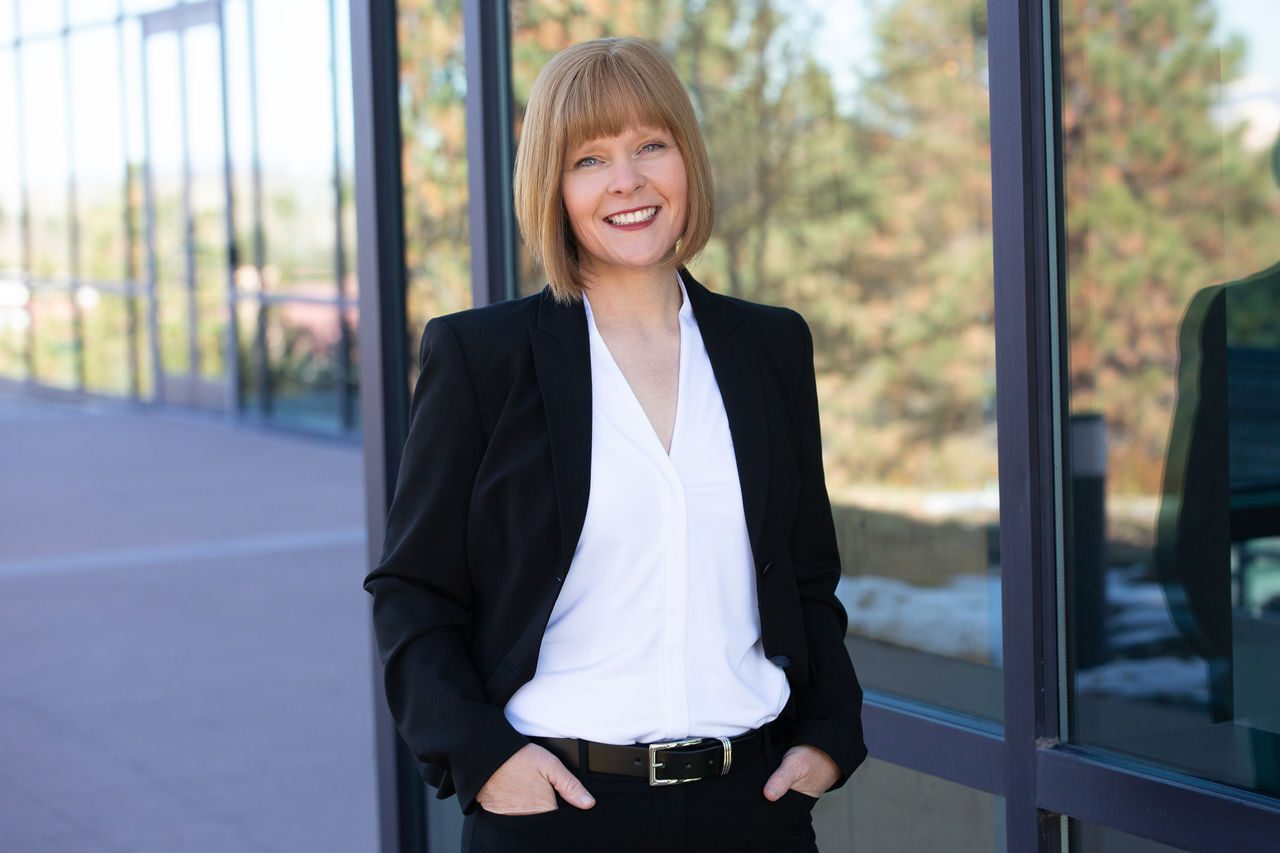
Marki Huston, Chief Executive Officer
Brooke Bacon, Chief People Officer
Bacon points specifically to the period following the pandemic when Viega was in a phase of double-digit year over year growth. “We used this as an opportunity to rethink many things, including our expectations for leaders and the need for new voices to lead the company into its next phase,” she says.
In PHCP-PVF manufacturing, supply chain volatility, labor shortages and capacity expansion have collided in recent years, forcing many companies to reassess leadership depth. Viega’s approach suggests that scaling responsibly requires expanding perspective.
Huston points out that as the market itself has evolved, leadership expectations have shifted as well.
“Leadership has become less about managing a single function and more about building resilient systems and capable teams that can deliver consistently,” she says. “We still focus intensely on day-to-day performance including safety, quality, delivery, and customer success, but we empower teams closest to the work to solve problems and improve continuously. Our role as leaders is to set high expectations, provide the tools and skills to succeed, and hold ourselves accountable for enabling results.”
Credibility, perspective and execution
Manufacturing, particularly in construction-adjacent sectors, has historically been male-dominated. Each of Viega’s executives describes a path defined by performance, mentorship and resilience, not visibility alone.
“In my experience, credibility comes from delivering results and supporting the people around you,” Huston says. “Trust is built through consistency, humility and a willingness to take on tough challenges. I actively sought opportunities to stretch myself, learn new areas of the business and stay close to customers and operations because leadership is earned over time through performance and reliability.”
Morehead highlights the impact of mentorship. “I was lucky enough to have mentors who saw something in me and pushed me to try new roles,” she says. “Their encouragement got me out of my comfort zone, and that’s where I really started to grow much faster than I ever would have on my own.”
For Bacon, experience in male-dominated industries reinforced the importance of results and relationships.
“This experience taught me early on the importance of credibility, resilience and building strong relationships,” she says. “I focused on delivering results, staying close to the business and continuing to expand my perspective through new challenges. Just as important was building a great team to support me, remaining open to feedback and listening to opinions and experiences that were different from mine.”
Those experiences now inform how leadership teams function day to day, particularly when strategic decisions are on the line.
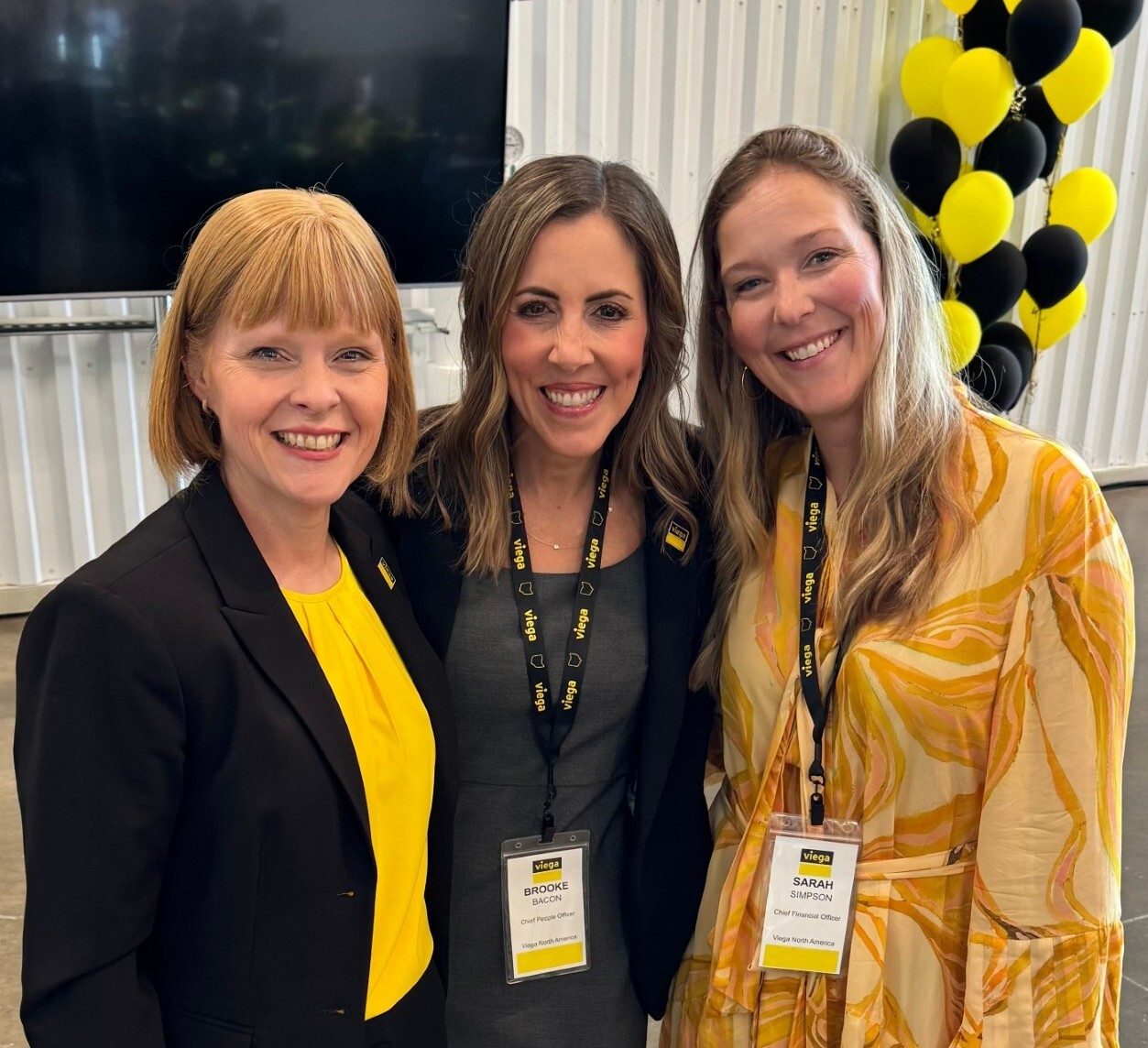
Marki Huston, Brooke Bacon, and Sarah Simpson
“Finance evaluates return on capital, but those projections depend on operational reality — labor availability, training timelines, capacity planning dynamics — as well as sales realities like market pricing and regulatory considerations,” Morehead explains. “Having diverse views will deliver strong long-term returns.”
Huston frames it more broadly, adding that diverse perspectives helps the company see risks and opportunities it might otherwise miss. “When we bring operational, customer and people insights together, we design solutions that are more practical, more relevant and easier for customers to adopt. That leads to better product launches, stronger partnerships and smarter investment decisions.”
These women agree that the evolving nature of the channel reinforces that need for perspective.
“When our leadership team reflects a range of experiences and perspectives, we’re better equipped to understand those changes and respond in ways that truly support our distributors, engineers, contractors and partners,” Huston says.
Pajek offers a tangible example at Viega’s new Ohio facility. “We invested in a 150-seat training center because we recognize the critical role workforce development plays for our channel partners,” she says. “That decision was shaped by leaders who consider not just the product itself, but the entire ecosystem that supports it.”
Training investments translate directly into jobsite confidence and product adoption. Leadership perspective influences whether those investments are prioritized.
Talent, culture and the next generation
Inclusive leadership at Viega is evaluated through performance indicators.
“Strong performance depends on attracting, developing and retaining capable people,” Huston says. “We’ve focused on strengthening internal mobility and building deeper succession pipelines so we’re ready for the future. When people stay, grow and take on greater responsibility, it reflects an environment where they feel valued, challenged and able to succeed.”
Bacon outlines the specific metrics behind that philosophy, noting that retention and engagement are critical to organizational performance and are a direct outcome of the quality and capability of leaders
“We monitor employee turnover, engagement trends, internal promotions, succession bench strength and speed to fill key roles. Strong results in these areas signal leaders are building inclusive environments where people want to contribute and advance,” she says.
The broader labor landscape makes that discipline necessary.
“We’re seeing encouraging shifts like more women in engineering, greater diversity in the workforce and renewed interest in skilled trades among younger generations,” Bacon says. “Progress is uneven, though, and sustaining it will require continued investment in development, inclusive workplaces and clear career pathways.”
Pajek adds that when Viega opened its new Ohio facility in a competitive labor landscape, it became clear that relying solely on old-school recruiting wouldn’t cut it. “We’ve intentionally broadened our approach to attract diverse talent by investing in development and creating an inclusive environment where people from all paths can build meaningful, long-term careers with us,” she explains.
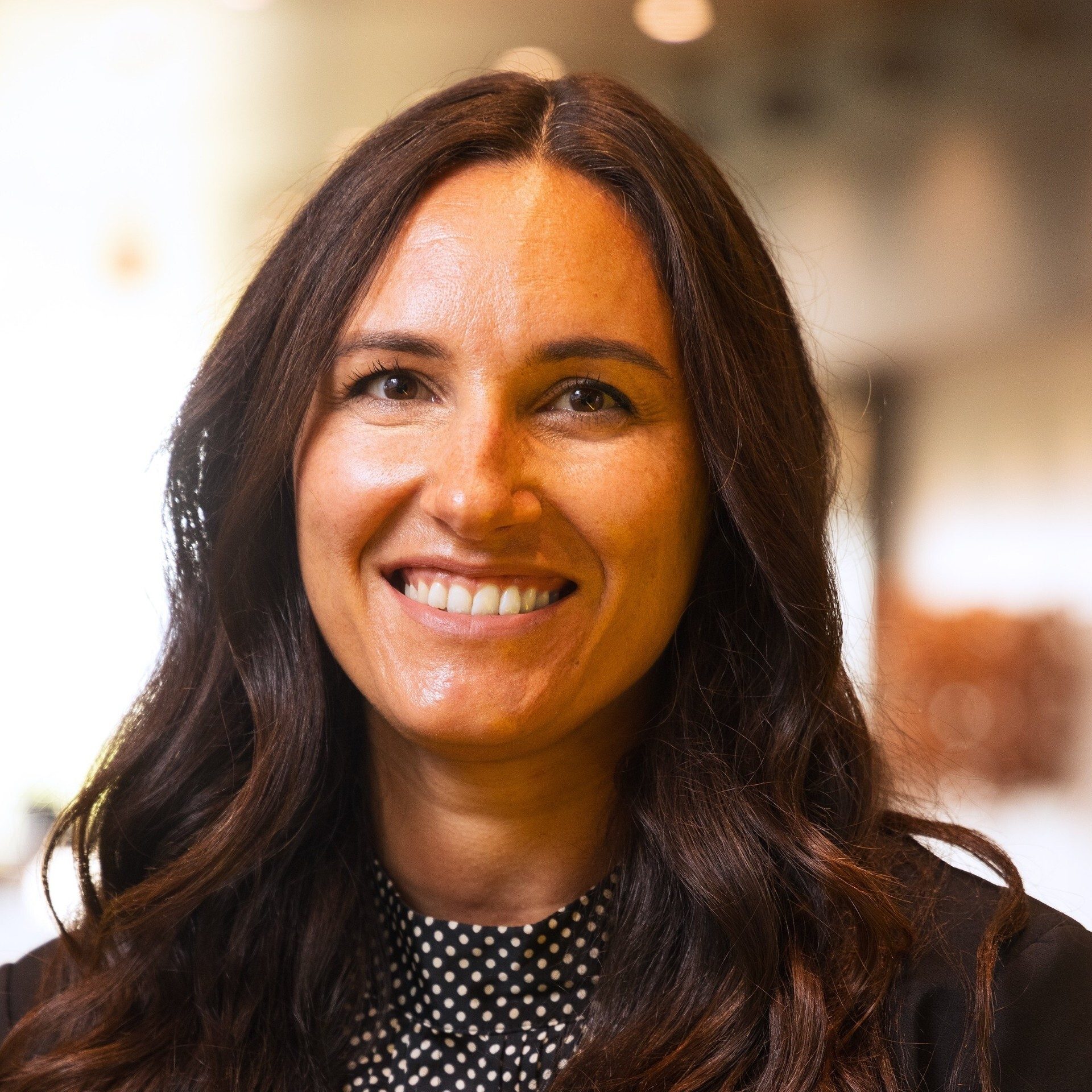
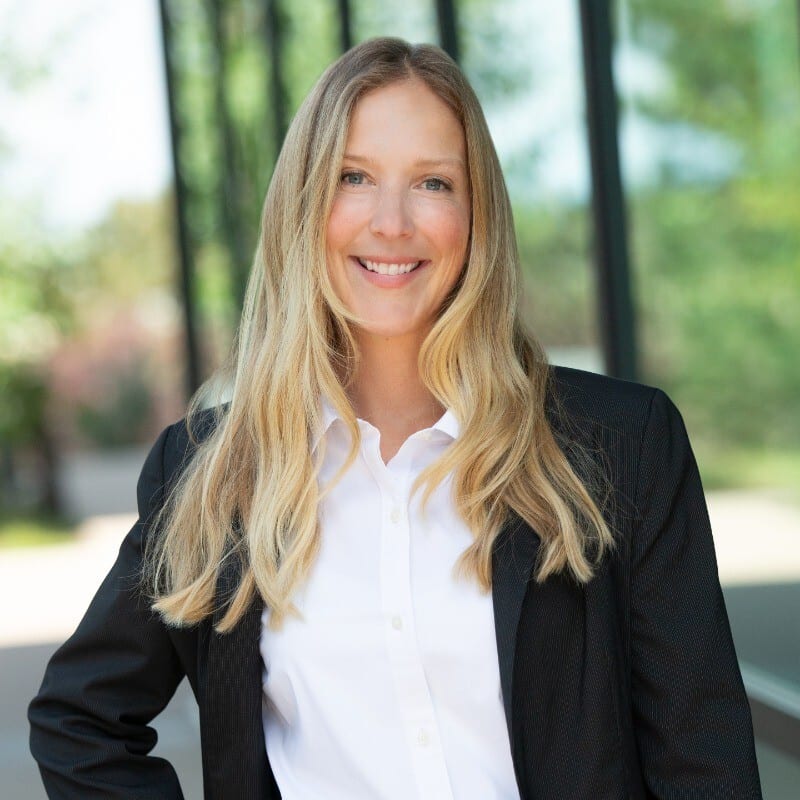
Sarah Morehead, Chief Financial Officer
Emily Pajek, Site Director (Mantua, Ohio)
Developing future leaders, the executives agree, must be systematic.
“Finding skilled talent is challenging, so developing our own people is essential,” Huston says. “We look beyond current performance to identify adaptability, learning agility, teamwork and the ability to lead in complex environments. We then provide cross-functional experiences and stretch opportunities so future leaders understand the business end-to-end.”
“Through regular performance and talent reviews, assessments of readiness and a culture of continuous feedback, we identify people with the potential to take on bigger roles in the future and actively invest in their growth,” Bacon adds. “A strong internal pipeline ensures that we’re prepared for the future and not dependent on the external market.”
Culture ultimately determines whether those systems work, and the team doesn’t expect leaders to fit into a single mold.
“What matters is delivering results safely, supporting our teams and creating value for customers,” Huston says. “Some leaders excel through analytics, others through relationships or operational expertise. Diversity of thought and approach challenges assumptions and strengthens decisions.”
Bacon adds that culture is a clear differentiator in a competitive talent market. “People choose to stay at Viega because they know they’re valued for who they are, they are cared about, and they are a member of a supportive community where both purpose and performance drive our business.”
At the new Ohio facility, Viega remains committed to creating an environment where different approaches are welcomed and respected, because that’s how the company builds strong teams and retains top talent, according to Pajek.
Manufacturing’s workforce composition will not shift overnight. But companies that treat leadership development as system design while being intentional, measurable and performance-driven, may accelerate that change.
At Viega, the presence of women at the executive table is a reflection of the company’s focus on building bench strength. In a PHCP-PVF market that demands agility, operational rigor and long-term thinking, leadership diversity appears not as a social statement, but as a competitive one. For an industry working to attract the next generation of engineers, operators and trade professionals, that distinction could matter more than ever.
ABOUT THE AUTHOR: