MARCH 2025


Guest Editorial
By Fred Simpson
Blending knowledge and advancements
How to successfully adopt new PHCP technologies.
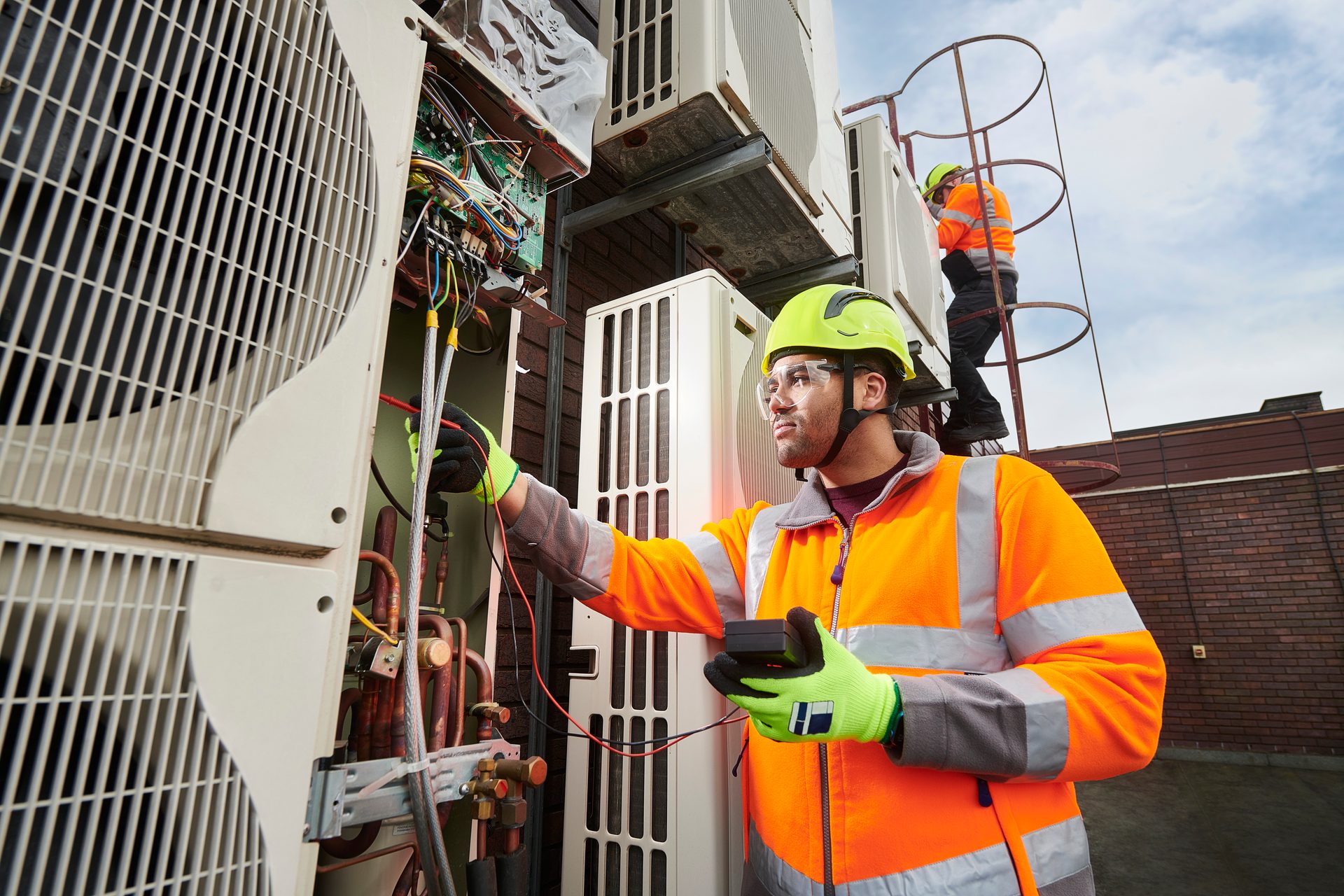
sturti / E+ / Getty Images
It was Day 3 when my phone finally rang.
A stumped technician was on the other end of the line – and at the end of his wits. He had arrived at the jobsite two days earlier, called out to do a simple maintenance checkup.
The furnace seemed to be in perfect working order, the technician explained, except for one thing: All of the readings on his gauges were off. Day after day, he had tried all sorts of repairs to the furnace, but nothing brought those readings back to a normal range.
“What kind of gauge are you using?” I asked him.
“It’s a new digital gauge,” he answered.
I wanted him to test out my theory, so I suggested checking the furnace with his old analog gauge. Indeed, everything tested perfectly.
It turned out the technician had spent three days chasing a repair on a furnace that was in good working order. It was his gauge that had the problem.
The future of PHVAC is here
There’s an allure to new technology that calls us to use it.
Advancements are constantly rolling out to the HVAC industry, and even the most seasoned professionals are fascinated by the way they help us do our jobs more efficiently while keeping our customers more comfortable.
Take, for example, the growing popularity of digital communication systems. Because I work primarily with American Standard and Trane dealers, I’m most familiar with that manufacturer’s Link thermostat system, which gives remote access to both the end user and technician.
That means a homeowner could be out of town but get an alert that their furnace stopped working. In the past, that person might return home to a frigid house – or worse, a flood caused by a frozen pipe. But with Link technology, they learn about the problem and can proactively manage it right away.
And even though they might be hundreds of miles away, that homeowner can arrange for a technician to run diagnostics on their furnace without ever stepping foot in the empty home. In fact, the technician can pull a significant number of data points from the furnace, remotely checking everything from pressures and temperatures to blower activity. Then, he will have a good idea what the problem is and can bring the appropriate repair parts with him for an efficient, first-time fix.
With today’s digital communication systems, we are so far beyond the day of homeowner simply connecting to their thermostat remotely. This elevates HVAC technology to a whole new level, one that benefits both the homeowner and technician through time savings and energy efficiency.
Embrace the Future, Retain the Past
As AI technology continues to change the landscape of HVAC repair, the attentive service tech will need to consciously return to the basics of our craft.
For me, the basics began when I entered the field in 1982. We didn’t have the advantage of Chat CPT or Google to help us diagnose a problem or order quick-delivery parts. So, we were forced to rely on our training and understanding of the units before us.
It will always be tempting to rely more on gadgets than on our own training, but there’s a fine line between repairing equipment and troubleshooting technology. If a technician doesn’t have a solid HVAC foundation, it can be easy to begin chasing down a rabbit hole of diagnostic problems.
That’s why I suggest technicians use these advancements as a tool, not a crutch. Here’s how:
Avoid tunnel vision. An open mind allows you to balance information from the homeowner with the data coming from the unit, along with your own physical assessment, when making a diagnosis.
Verify your theory with data. Once you have a good idea of what the problem might be, use the data you’ve collected to support or reject that theory.
Keep your expectations realistic. Too often, we fall in love with new technology and expect it to be the perfect solution for every situation.
That’s precisely what happened on a case I was brought in to help resolve. Trying to prioritize efficiency, the technician replaced a large HVAC system with one that ended up being too small for the home’s capacity. Once the weather grew cold, the homeowners were left chilly and unhappy with their purchase.
Rapidly growing advancements in our field require extra attention to details and dedication to remaining up-to-date. Our industry has the opportunity to deliver better service than ever before with HVAC systems that are more intuitive, comfortable, efficient and sustainable than we could have imagined.
Let’s embrace it, and double-check it.
ABOUT THE AUTHOR: